
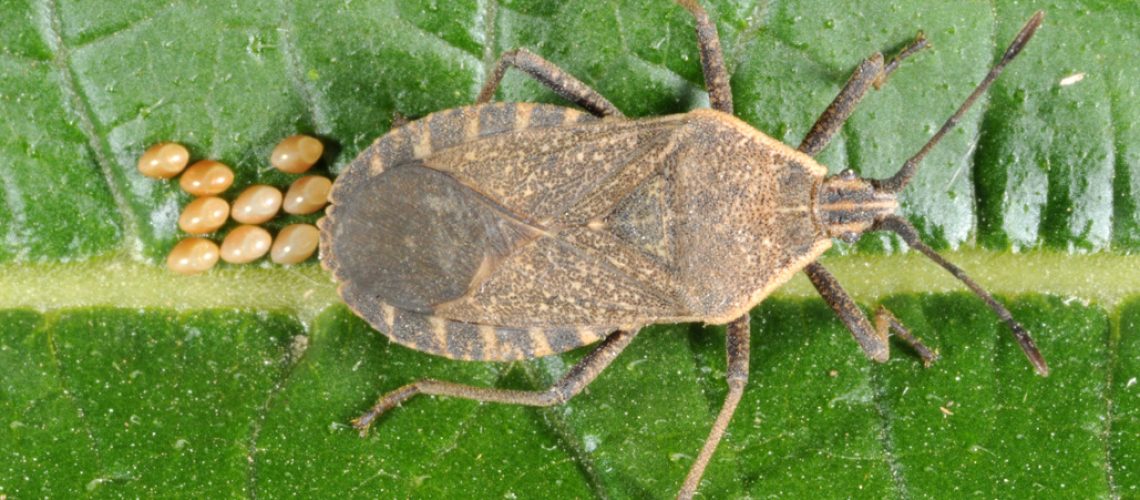
For many years, squash bugs and vine borers have been an ongoing challenge in the community garden. Several years ago, we paused growing all cucurbits for three full seasons in an effort to reduce their population. While that approach helped for a time, the past few years have seen a noticeable increase in pest damage.
Because our garden plots are close together, what happens in one plot can affect neighboring plots and quickly spread to the entire garden. To better manage these pests and protect the overall health of the garden, new growing guidelines are being introduced. Their success depends on a collective effort from all gardeners.
The Squash Pests Problem
Squash bugs are established pests in our area. Once their populations build up in a shared garden space, they will return year after year unless conditions change.
We have noticed:
- Heavy squash bug infestations
- Sudden wilting from vine borer damage
- Repeated losses even when plants are rotated or cared for properly
These pests do not just affect one plot. They have taken over the community garden.
Our Current Mulching Approach
We require plots to be covered once planted for weed, pest, disease and water conservation. We have been recommending cardboard or newspaper topped with straw. While this method works well in many situations, it has some drawbacks for squash, pumpkins and other cucurbits.
Why this is not ideal for cucurbits:
- Creates hiding places – Cardboard and newspaper form a cool, dark layer where squash bugs can hide during the day.
- Encourages egg laying near stems – Squash vine borers lay eggs at the base of plants. Thick mulch and straw make this area harder to inspect and easier for pests to access unnoticed.
- Increases moisture at the crown – Trapped moisture around squash stems can weaken plants and make damage harder to spot early.
- Reduces natural predators – When soil stays covered and undisturbed, pest pupae are more likely to survive the winter.
It doesn’t mean what we have been doing is wrong. These pests are difficult even for experienced gardeners. But it does mean we can improve our odds by adjusting our approach.
Recommended Changes to Control Squash Bugs
To better control these pests, we are updating our guidelines for cucurbit crops.
Bare soil ring around squash stems
- Keep 6 to 8 inches of bare soil around the base of squash plants
- This makes it easier to spot eggs and damage early
- It discourages pests from hiding at the plant crown
No cardboard or newspaper under squash plants
- Cardboard and newspaper will still be allowed in the rest of your plot
- They should not be used directly under squash or pumpkins
- This removes a major hiding place for pests
Use only light, loose mulch if needed
- If mulch is used near squash:
- Choose chopped leaves, pine needles, or fine bark
- Keep mulch thin and pulled back from stems
- Avoid straw around squash plants
- Loose mulch dries faster and is less attractive to pests.
Strong encouragement to trellis squash when possible
- Growing squash vertically by trellising
- Improves airflow
- Makes eggs and pests easier to see
- Reduces contact with soil and mulch
- Even semi-vining varieties benefit from this.
Emphasis on rotation and cleanup
- Do not grow squash in the same area each season
- Remove vines and debris promptly at the end of the season
Companion Plant
- Nasturtiums, Marigolds, Sweet alyssum, Yarrow, Calendula, Borage, Sunflowers, Dill, Parsley, Cilantro, Fennel, Basil
Insect Buy and Release
- Green lacewing larvae (Target squash bug eggs and young nymphs)
- Praying mantis – be aware they eat anything, including beneficial insects
Additional Resource: Vine Borer life cycle and control.