
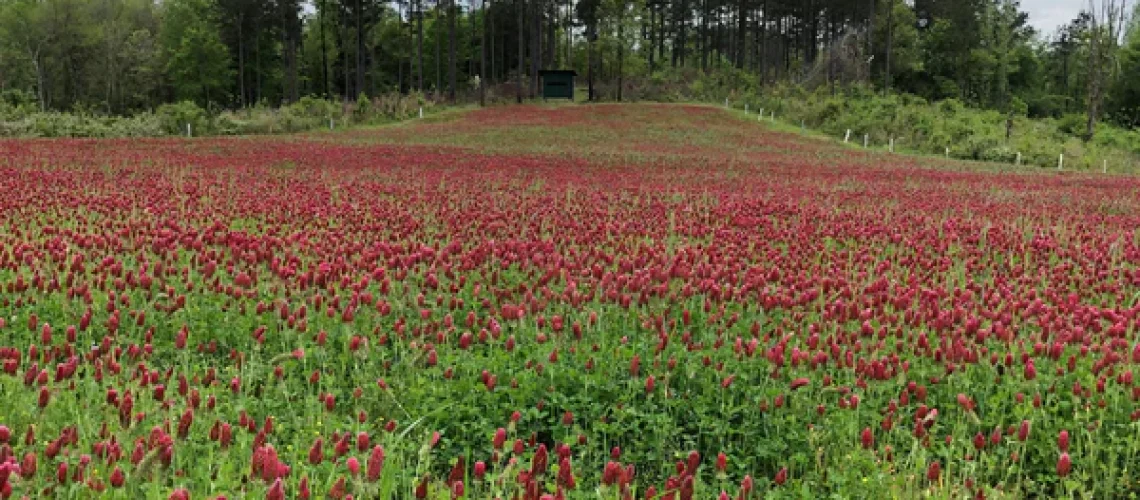
Nimmo Community Garden requires all plots to be covered for the Winter.
At the end of the growing season, your plot needs to be completely cleared.
- Remove all organic matter. This includes plants and weeds.
- Remove all structures like tomato cages, poles that could blow in Winter storms.
- Plots need to be completely covered. You can use plastic tarp, cardboard and straw/pine needles, or a cover crop that we provide to you. (included in your plot fee)
If you are growing a Fall/Winter garden, you still must weed your plot, remove all organic matter from the summer season, and cover any areas of your plot that are not being used for Fall/Winter by the end of season close down date. (Fall/Winter gardens are often smaller, only using part of your plot)
When you have finished clearing all plants, structures and weeding your plot, you need to complete the end of season checkout form.
If you are not returning next season you still are required to completely closed down your plot as described above.
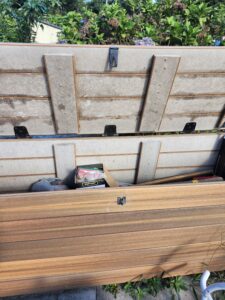 Cover crop seed is available as of September 20th, 2025 and is stored in the toolbox near the rest area.
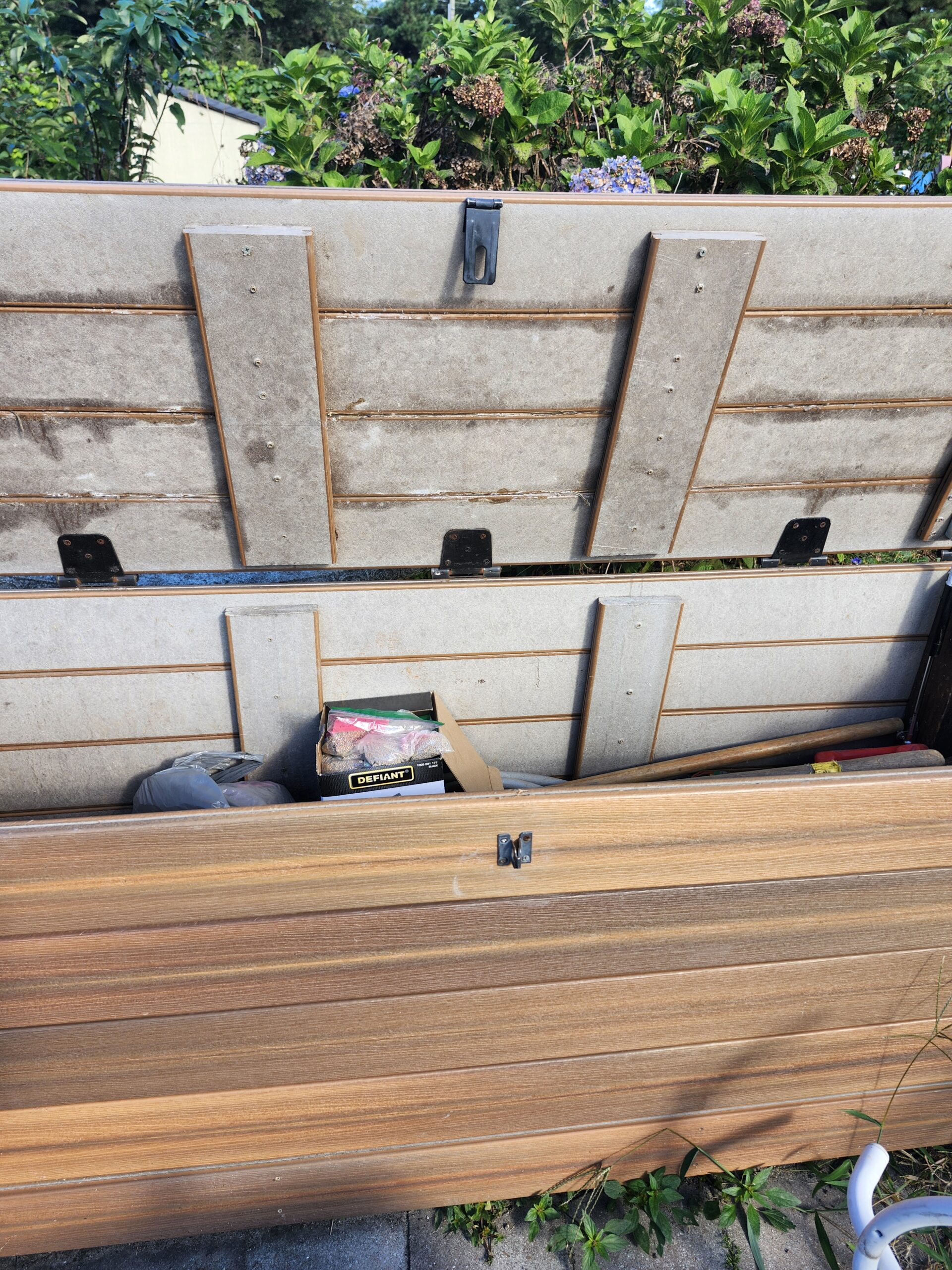
Please get your bag asap so it is not in there if it rains.
Each bag is marked with the first name and plot number/numbers. All single plot holders received 1/2 cup whether you are planting a fall crop or not. You should save some to use after your fall crop is finished. It will still germinate. Double plot holders have received 1 cup to be divided between your two plots. Broadcast the seed and rake it in VERY LIGHTLY. Seed covered more than 1/4 inch may not germinate. Water lightly and continue to water daily until it germinates, usually 7-10 days, faster if the skies are sunny and temps are higher. Plant it anytime you want.
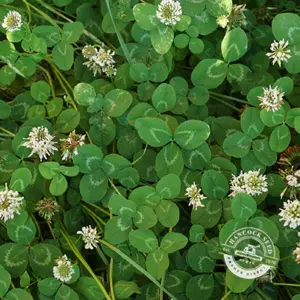
The seed is a 50/50 mix of crimson and white clover. Puts nitrogen back in the soil, encourages pollinators and is easy to cut and turn or till under.
Why Plant a Cover Crop?
Clovers are an excellent choice because they add nitrogen to the soil, attract pollinators, and are relatively easy to cut or till under in the spring.
Your plot rental fee includes the cost of cover crop seed at the end of the growing season. To make sure we order enough, you’ll need to reply to the email we send during the first week of September indicating whether you plan to use it. Seed should be available by late September.
Planting a cover crop at the end of the season provides many long-term benefits for your soil and garden:
-
Prevents erosion – Cover crops protect soil from washing or blowing away during winter storms.
-
Retains soil moisture – Healthy soil microbes need consistent moisture. Cover crops keep soil from drying out.
-
Suppresses weeds – A dense cover crop limits space for winter weed growth.
-
Improves soil structure – Clover roots help aerate compacted soil and create better conditions for spring planting.
-
Adds nutrients – When tilled into the soil, cover crops act as “green manure,” enriching the soil with organic matter and nitrogen.
What To Do in the Spring
-
Cover crops should be cut down and incorporated into the soil at least 2–3 weeks before you plan to plant spring vegetables. This gives the clover time to decompose and release nutrients back into the soil.
-
If you prefer, you can mow or cut the clover and leave it as mulch on top of the soil instead of tilling it under.
Pollinator Value
Crimson clover produces bright red blooms in early spring, while white clover offers smaller white flowers. Both are excellent for bees and other pollinators.